Every Mother Deserves a Healthy Beginning
Pregnancy should be a time of hope, preparation, and joy. A mother should be able to think about her baby’s future, receive proper medical care, eat nutritious food, and prepare safely for childbirth.
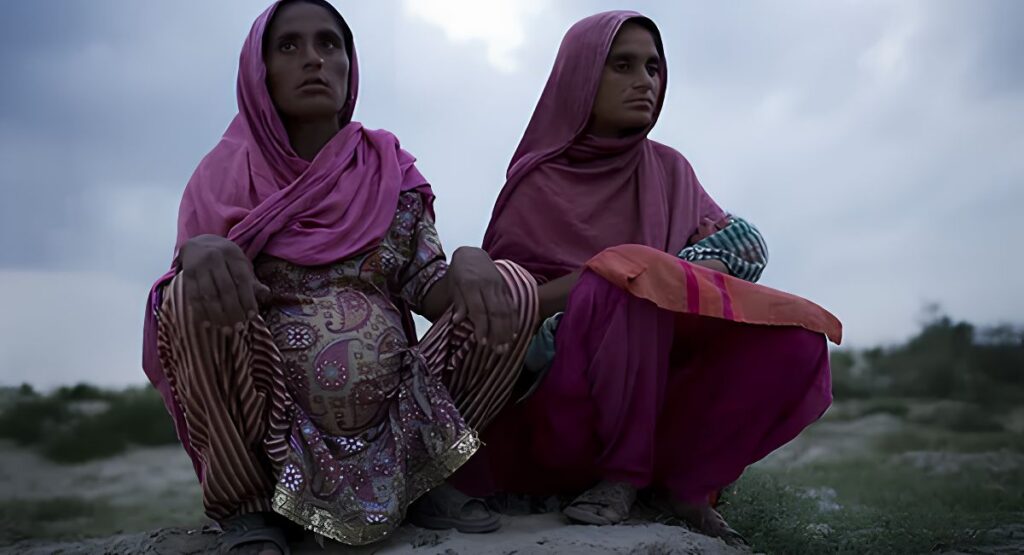
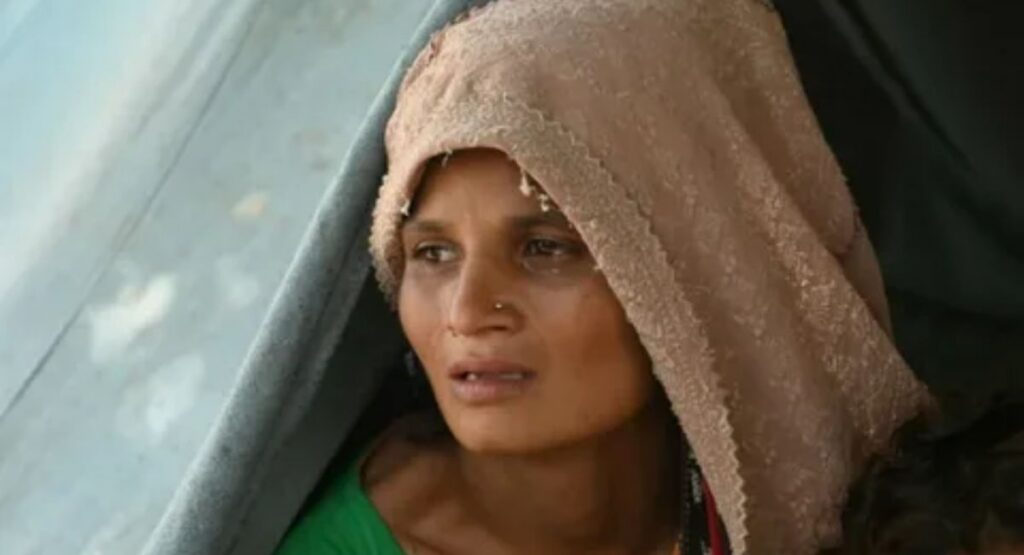
But for many women living in poverty in Pakistan, pregnancy can be a very different experience.
For a woman struggling to feed her family, paying for a medical check-up may feel impossible. For a mother living in a remote village, the nearest health facility may be far away. For a woman whose family has little income, buying nutritious food, medicines, iron and folic acid supplements, or arranging transportation for delivery can become a major challenge.
Poverty can turn pregnancy from a journey of hope into a daily struggle for survival.
This is why supporting vulnerable pregnant women is not simply about helping during childbirth. It is about providing care, nutrition, protection, dignity, and hope throughout the pregnancy and the early months of motherhood.
The Hidden Crisis of Pregnancy and Poverty
Pakistan has made important progress in maternal and newborn health, but serious inequalities remain.
UNICEF reports that mothers and babies who need affordable, quality healthcare and good nutrition the most can still face barriers to accessing these essential services. Differences are particularly significant across income levels, provinces, rural and urban areas, and mothers’ education levels. (UNICEF)
The challenge is not only whether a health facility exists.
A woman may need to overcome several barriers before she can actually receive care:
Can she afford the consultation?
Can she pay for medicines?
Can she travel to the health facility?
Does she have someone to accompany her?
Does her family understand the importance of antenatal care?
Can she afford nutritious food during pregnancy?
Will emergency transportation be available when labor begins?
For a poor family, each question can become a serious obstacle.
A Brief History of Maternal Health in Pakistan
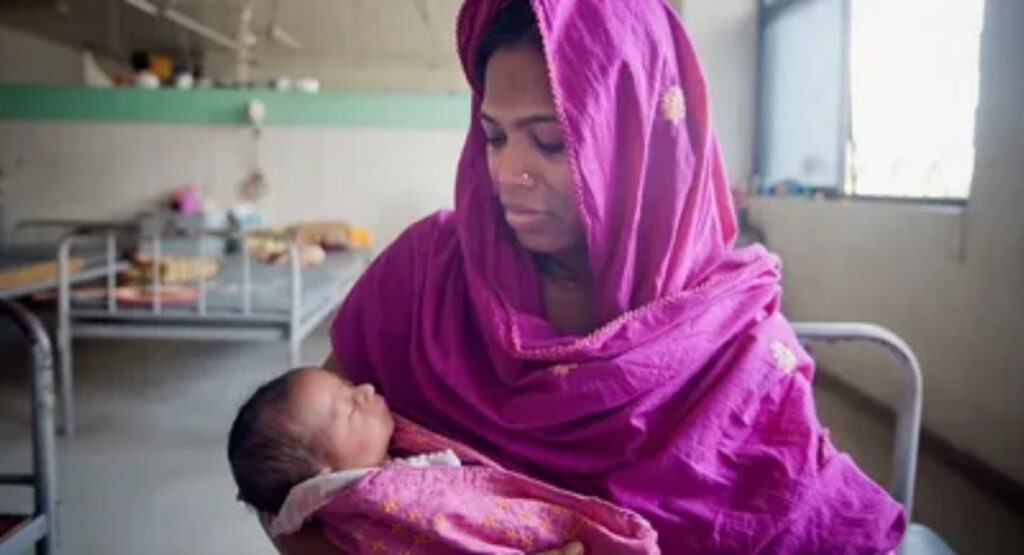
Maternal health has been an important public health challenge in Pakistan for decades.
Historically, women living in rural and economically disadvantaged communities have faced greater difficulties accessing skilled maternal healthcare. Geographic distance, transportation costs, poverty, limited health infrastructure, social norms, and women’s limited decision-making power have all contributed to unequal access.
Pakistan’s maternal health indicators have improved over time, but progress has not been equal everywhere.
A UNICEF analysis documented a decline in Pakistan’s maternal mortality ratio from 276 deaths per 100,000 live births in 2006–07 to 178 in the 2017–18 period. It also reported that skilled antenatal care and skilled birth attendance had increased during that period. However, major differences remained between provinces and between rural and urban communities. (UNICEF)
The Government of Pakistan has also developed national maternal, newborn, child, and adolescent health strategies, including the National Vision 2016–2025, to improve access to reproductive, maternal, newborn, child, and adolescent health and nutrition services. (UNICEF)
There has been progress.
But progress in national statistics does not mean every mother has a safe pregnancy.
Many vulnerable families still need support.
The Connection Between Poverty and Pregnancy
Poverty affects pregnancy in many interconnected ways.
A woman who lives in poverty may experience poor nutrition before pregnancy even begins. During pregnancy, her nutritional needs increase, but household resources may remain the same.
If the family has limited income, nutritious foods may be replaced by cheaper foods that provide fewer essential nutrients.
Medical care can also become a financial burden.
A family may have to choose between:
- Food and medicine
- Transportation and household expenses
- A medical examination and daily necessities
- Prenatal supplements and other essential costs
These choices can have serious consequences.
UNICEF has highlighted poverty, gaps in services, and insufficient nutritional care as important barriers to healthy pregnancies in South Asia. (UNICEF)
The First Challenge: Access to Antenatal Care
Antenatal care allows healthcare professionals to monitor the health of the mother and developing baby, identify potential complications, provide guidance, and connect women with appropriate services.
Yet access is not equal.
Earlier UNICEF data showed substantial differences between rural and urban women in access to skilled antenatal care. (UNICEF)
Even when services are available, transportation costs, healthcare fees, lack of mobility, family responsibilities, and social barriers can prevent women from attending.
This is especially difficult for women living in remote communities.
A woman may know she needs care but still be unable to reach it.
Access is not real access if a family cannot afford to use the service.
The Second Challenge: Maternal Nutrition
Pregnancy places increased nutritional demands on a woman’s body.
A mother needs adequate food and essential nutrients to maintain her own health and support the development of her baby.
But poverty can make nutritious diets difficult to maintain.
A poor mother may eat less so her children can eat more.
She may prioritize her husband or children when food is scarce.
She may not be able to afford supplements recommended during pregnancy.
Iron deficiency and anemia are also important concerns. UNICEF’s analysis of Pakistan reported that only 59% of women took iron tablets or syrup during pregnancy according to the 2017–18 Pakistan Demographic and Health Survey, with nutritional challenges varying across provinces. (UNICEF)
Maternal nutrition is therefore not an optional extra.
It is part of protecting two lives at once.
The Third Challenge: Distance and Transportation
Imagine a pregnant woman living in a rural village.
She begins experiencing complications during pregnancy or labor.
The health facility is many kilometers away.
There may be no reliable public transport.
Her family may not have a vehicle.
Hiring private transportation may cost more than the family can afford.
In an emergency, every hour matters.
WHO has documented how distance, transportation barriers, and delays in reaching healthcare facilities have contributed to maternal risk in Pakistan. At the same time, investments such as rural ambulance services and strengthened basic health units have helped improve access in parts of Punjab. (World Health Organization)
This demonstrates an important lesson:
Healthcare must reach women, and women must be able to reach healthcare.
The Fourth Challenge: Medical Expenses
Even when a medical facility is nearby, financial barriers can remain.
A family may need money for:
- Consultation
- Laboratory tests
- Ultrasound
- Medicines
- Nutritional supplements
- Transportation
- Delivery expenses
- Emergency treatment
- Postnatal care
For a family living from one day’s income to the next, these expenses can become overwhelming.
A mother may delay seeking care because she is worried about the cost.
A delay can turn a manageable health problem into a more serious emergency.
The Fifth Challenge: High-Risk Pregnancies
Pregnancy is not the same for every woman.
Some mothers face greater risks because of underlying health conditions, nutritional deficiencies, previous pregnancy complications, very young age, closely spaced pregnancies, or limited access to skilled care.
Pakistan’s maternal health challenges have historically included complications such as postpartum hemorrhage and pregnancy-induced hypertension, while inadequate access to emergency obstetric care has also contributed to preventable deaths. (UNICEF)
This is why early identification of risks and timely access to qualified healthcare professionals are so important.
The Sixth Challenge: Young and First-Time Mothers
For some young women, pregnancy begins before they are emotionally, physically, socially, or financially prepared.
Early marriage and early pregnancy have historically been linked with poverty, limited education, and inadequate knowledge of reproductive health in Pakistan. (UNICEF)
A young mother may also have limited decision-making power.
She may depend on others for transportation, money, healthcare decisions, and access to information.
Supporting young mothers therefore requires more than medical services.
They need information, protection, family support, education, nutrition, and dignity.
The Seventh Challenge: Rural Women
Rural communities often face a combination of barriers.
A woman may live far from a hospital.
There may be fewer specialized health professionals nearby.
Transportation may be expensive.
Household responsibilities may prevent regular appointments.
And cultural or social expectations may influence when and where she seeks care.
WHO notes that nearly two-thirds of Pakistan’s population lives in rural areas and that improving access to maternal healthcare in these communities remains important. (World Health Organization)
For rural mothers, community-based health workers and accessible primary healthcare can make a meaningful difference.
The Eighth Challenge: Lack of Information
Sometimes the barrier is not only money or distance.
It is information.
A mother may not know:
- When she should begin antenatal care
- Which warning signs require urgent medical attention
- Why nutrition matters during pregnancy
- Why iron and folic acid may be recommended
- Why skilled attendance at birth is important
- Why postnatal care matters
- Where affordable services are available
Health education can help families recognize risks earlier and seek appropriate care.
Knowledge can save time, and timely care can save lives.
The Ninth Challenge: Mental and Emotional Stress
Poverty during pregnancy can create enormous emotional pressure.
A mother may worry about:
“Will I have enough food?”
“How will I pay for the delivery?”
“What if my baby becomes sick?”
“How will I care for another child?”
“What if something goes wrong?”
These worries can become overwhelming.
A vulnerable mother needs to know that she is not alone.
Community support, respectful healthcare, family encouragement, and humanitarian assistance can help restore a sense of dignity and hope.
A Story of Hope: A Mother Named “Sana”
The following is a representative story created to illustrate the experiences faced by vulnerable mothers. The name and identifying details are fictional.
Sana lived with her family in a low-income community in Punjab.
When she became pregnant, her family was already struggling.
Her husband worked irregularly.
Some days there was enough food.
Other days there was barely enough.
Sana knew she needed medical care, but every visit meant transportation costs and other expenses.
She also worried about nutritious food.
She wanted to eat better, but the family budget was already stretched.
As the months passed, Sana became increasingly anxious.
She was not afraid of becoming a mother.
She was afraid that poverty would prevent her from giving her baby a healthy beginning.
Then she received support through a community program.
She was connected with maternal health information and encouraged to seek appropriate medical care. She also received assistance aimed at helping her meet essential needs during pregnancy.
For the first time in months, Sana felt that someone was standing beside her.
Her circumstances did not change overnight.
But something important changed inside her.
She began to feel hope.
Her pregnancy was no longer a journey she had to face completely alone.
Why Nine Months of Support Matters
Pregnancy is not a single event.
It is a nine-month journey.
A mother needs support before childbirth, not only when an emergency occurs.
A nine-month support approach can help vulnerable mothers remain connected with appropriate services throughout pregnancy while addressing some of the practical barriers created by poverty.
Support can include:
1. Maternal Health Awareness
Helping mothers understand antenatal care, nutrition, danger signs, safe delivery, and postnatal care.
2. Nutritional Support
Helping vulnerable mothers access nutritious food and appropriate nutrition services.
3. Medical Assistance
Helping women access essential health consultations, tests, medicines, and referrals where appropriate.
4. Transportation Support
Helping reduce transportation barriers when mothers need to reach healthcare facilities.
5. Emotional Support
Ensuring mothers feel valued, respected, and supported.
6. Newborn Preparation
Helping families understand essential newborn care and the importance of timely healthcare after birth.
From Pregnancy to the First Days of Life
The journey does not end when the baby is born.
The first days and weeks after childbirth are also critical.
A mother may experience complications after delivery.
A newborn may need medical attention.
The family may need guidance about breastfeeding, hygiene, immunization, nutrition, and recognizing warning signs.
UNICEF emphasizes that preventable complications,s including prematurity-related complications, problems during labor and delivery, and infections, remain important contributors to newborn deaths in Pakistan. (UNICEF)
This is why maternal and newborn health should be viewed as one connected journey.
Healthy pregnancy → Safe delivery → Healthy newborn → Stronger family
Why Supporting Mothers Benefits the Whole Family
When we support a pregnant woman, we are not helping only one person.
We are helping a family.
A healthier mother is better positioned to care for her newborn.
A healthy beginning can improve a child’s chances of surviving and thriving.
Maternal support can also reduce the financial pressure that families experience during pregnancy.
And when mothers receive information and support, they can become powerful advocates for the health and education of their children.
Investing in mothers is investing in the next generation.
What Has Changed and What Still Needs to Change
Pakistan has made progress in maternal health.
Health facilities have expanded in many areas.
Skilled healthcare services have increased.
Government and development partners have invested in maternal and child health.
Punjab, for example, has expanded basic health units and rural ambulance services to improve access to obstetric care. WHO reports that Punjab’s maternal mortality ratio has declined substantially compared with 2007, although important barriers remain. (World Health Organization)
In 2026, the Benazir Nashonuma Programme was also extended through a partnership involving BISP, WFP, UNICEF, and WHO to reach an additional 3.3 million women and children, including vulnerable pregnant and breastfeeding women. (UNICEF)
These developments show that change is possible.
But the continued existence of financial, geographic, nutritional, and social barriers means vulnerable mothers still need support.
How Moses Welfare Foundation Can Help
Moses Welfare Foundation believes that no mother should face pregnancy without hope simply because she is poor.
Our goal is to support vulnerable mothers with practical assistance that responds to their real needs.
Through initiatives such as “Healthy Beginnings: 9 Months of Support for 50 Mothers,” support can focus on mothers who face financial hardship and difficulty meeting essential needs during pregnancy.
The project can help provide or facilitate:
- Maternal health support
- Nutritional assistance
- Essential medicines and healthcare referrals
- Pregnancy-related awareness
- Support for medical check-ups
- Assistance with urgent needs
- Newborn care awareness
- Community-based support
- Dignity and compassionate care
The purpose is simple:
Help mothers reach childbirth healthier, safer, and more prepared.
What Your Donation Can Help Do
A donor’s contribution can become something very practical in a mother’s life.
Your support may help contribute toward:
A nutritious food package.
A medical consultation.
Essential pregnancy-related supplies.
Healthcare transportation.
Health education.
Medicines or medical assistance.
Support for a newborn.
The exact use of funds depends on the project’s current needs and the individual circumstances of beneficiaries.
But the principle remains the same:
Your generosity can turn concern into care.
A Small Gift Can Carry a Big Message
When a vulnerable mother receives support, the financial value is only part of the impact.
The message is also important:
You matter.
Your health matters.
Your baby matters.
Your future matters.
For a woman who has spent her pregnancy worrying about whether her family can survive, knowing that someone cares can bring tremendous emotional strength.
What We Can Do Together
Maternal health cannot be solved by one organization.
It requires collaboration among:
- Government health systems
- Local communities
- Healthcare professionals
- NGOs and civil society
- Donors and philanthropists
- Women’s groups
- Community health workers
- International development partners
Every part of the system has a role.
Governments can strengthen healthcare infrastructure.
Healthcare workers can provide quality care.
Communities can support women.
Organizations can reach underserved families.
Donors can help remove financial barriers.
And mothers themselves can become powerful voices for healthier families.
The Future We Want to See
We want a future where a pregnant woman does not have to choose between food and medical care.
Where a rural mother can reach a skilled healthcare professional.
Where no mother delays essential care because she cannot afford transportation.
Where vulnerable women have access to nutrition and health information.
Where newborns begin life with the care they deserve.
Where poverty does not determine the quality of a mother’s pregnancy.
And where every woman can say:
“I was not alone.”
Every Mother Deserves a Healthy Beginning
Pregnancy is the beginning of a new life.
But for a vulnerable mother, it can also be a time of uncertainty, financial pressure, health risks, and fear.
The answer is not simply to tell mothers to seek care.
We must help make care accessible, affordable, understandable, and compassionate.
We must address the conditions that prevent women from receiving the support they need.
We must invest in nutrition.
We must strengthen maternal healthcare.
We must support rural families.
We must protect vulnerable mothers.
And we must give every child the opportunity to begin life with hope.
Stand With 50 Mothers
Through Healthy Beginnings, Moses Welfare Foundation seeks to support 50 vulnerable mothers through the nine-month journey of pregnancy.
These mothers are not looking for luxury.
They are asking for the opportunity to experience pregnancy with greater safety, dignity, and hope.
You can stand with them.
Your donation can help provide practical support during one of the most important journeys of a woman’s life.
Give Hope Before the First Breath
Support a mother. Protect a baby. Strengthen a family.
Together, we can help create healthier beginnings and brighter futures for vulnerable mothers and their babies in Pakistan.
Donate Today. Help Give a Mother Nine Months of Hope, Care, and Support.
Moses Welfare Foundation
Serving vulnerable communities. Protecting dignity. Building hope.