Introduction
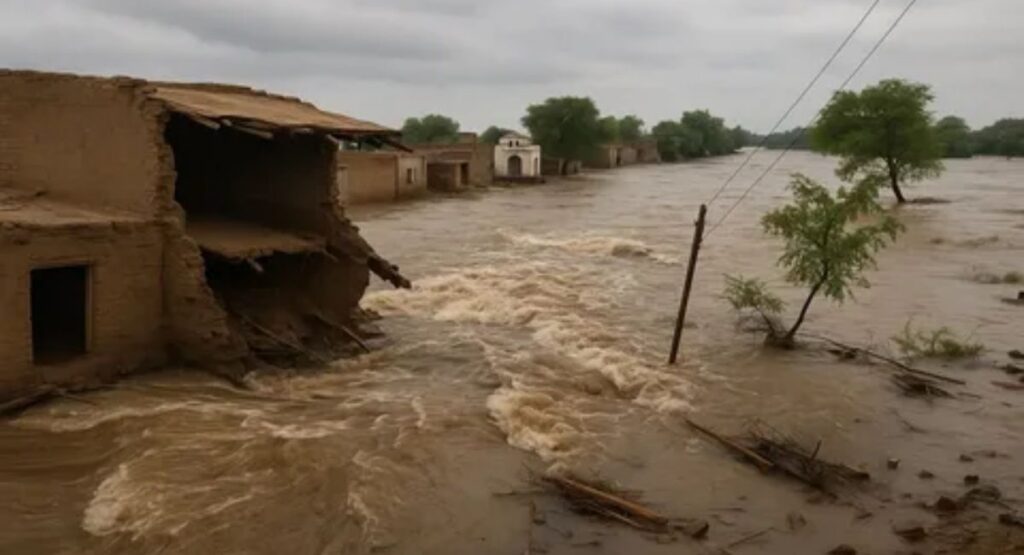
However, each year the monsoon brings much-needed rain to Pakistan. But for millions of people living in vulnerable communities, heavy rainfall can quickly turn into a humanitarian emergency.
Additionally, the 2026 monsoon season has again brought heavy rains, flash-flood risks, and flooding concerns across different parts of Pakistan. The National Disaster Management Authority (NDMA) continues to issue weather and flood advisories, while humanitarian organizations are monitoring needs related to shelter, food, health, water, sanitation, and protection. Moreover, the National Disaster Management Authority (NDMA).
According to recent reporting based on NDMA figures, at least 155 people have died, and more than 460 have been injured in rain- and flood-related incidents since the beginning of the 2026 monsoon season. These figures can change as the situation develops, so they should always be checked against the latest official NDMA situation report before publication or updating this article. (Arab News)
Moreover, behind every number lies a family, a home, and a livelihood, a child, a mother, or an elderly person.
For vulnerable families, a flood is not only a natural disaster. Moreover, it means the loss of food, shelter, income, school access, medicine, water, and the basic security to rebuild a life.
What Is Happening During Pakistan’s 2026 Monsoon?
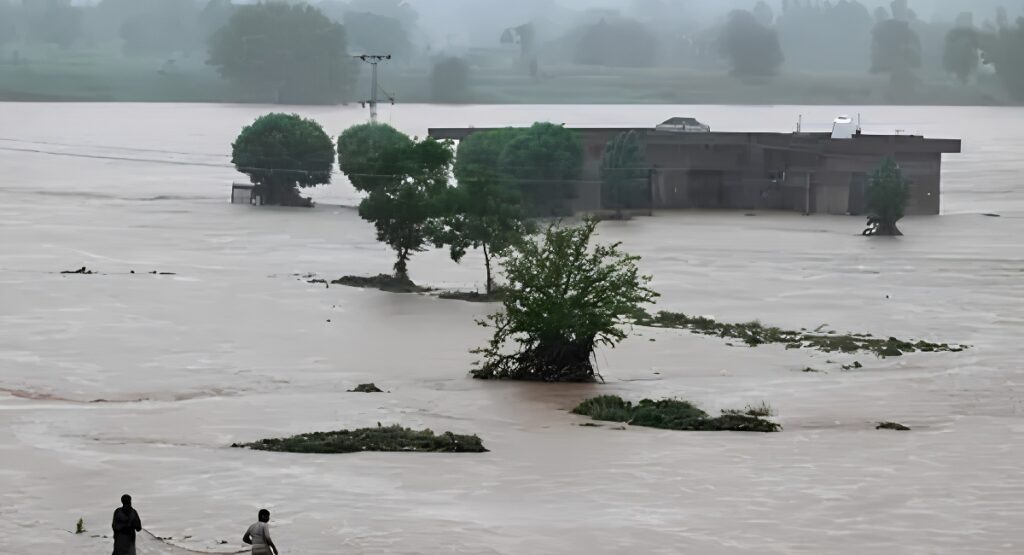
Additionally, Pakistan’s monsoon season began in late June 2026, with heavy and intermittent rainfall affecting different parts of the country. However, humanitarian situation reports have highlighted risks from flash floods and other flood-related hazards, with continued monitoring and response activities. Moreover, Pakistan’s monsoon season began in late June 2026, with heavy and intermittent rainfall affecting different parts of the country.
The current situation demonstrates why preparedness, early warning, rapid response, and community-level humanitarian assistance are so important.
Flooding can happen quickly, especially in communities located near rivers, streams, drainage channels, low-lying areas, and vulnerable settlements. As a result, families may have little time to move their belongings or reach safer locations.
The consequences can continue long after the rain stops.
Ultimately, why vulnerable families are hit the hardest
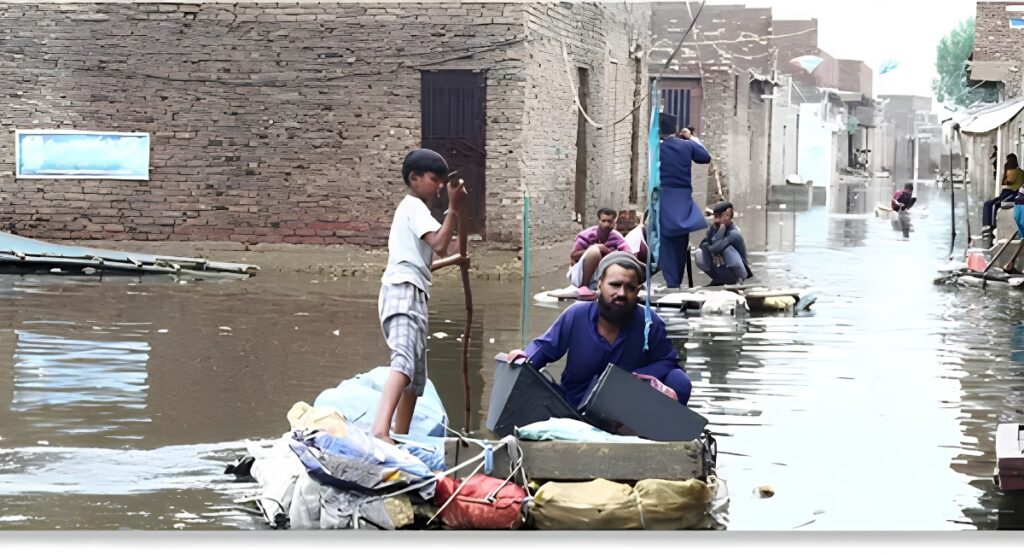
A flood does not affect every family in the same way.
Families living in poverty often have fewer resources to prepare for emergencies and fewer options to recover afterward.
Additionally, a household with limited income may already struggle to afford:
- Additionally, nutritious food.
- Safe drinking water
- Healthcare
- School expenses
- Secure housing
- Transportation
- Medicines
- Emergency savings
When flooding damages a home or destroys a family’s belongings, the household may have no financial safety net.
For a low-income family, losing a few days of work can be serious. Losing a home, livestock, crops, tools, or a small business can push the entire household deeper into poverty.
The Impact on Children
Children are among those who can suffer the greatest consequences during and after disasters.
Flooding can interrupt education, separate families, damage schools, and create unsafe conditions for children.
When a family loses income, education can become a lower priority because parents may first need to find food, shelter, and income.
This creates a dangerous cycle:
Flood → Loss of income → Increased poverty → Interrupted education → Greater vulnerability
For children already living in poverty, a disaster can increase the risk of school dropout and child labor.
That is why emergency relief should not only focus on immediate survival. Children also need protection, education, and a safe environment during recovery.
Food Security: When a Disaster Takes Away a Family’s Next Meal
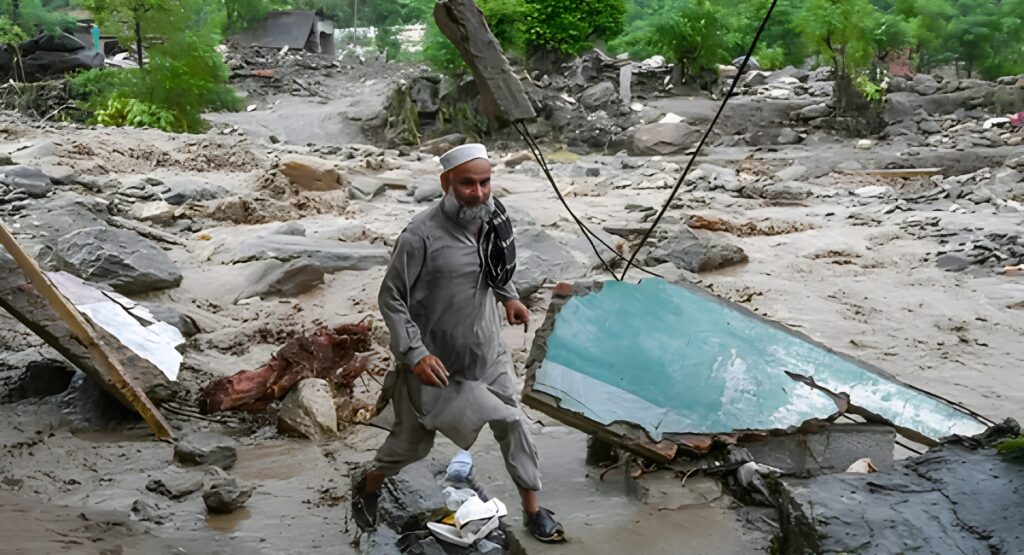
Food is one of the most immediate needs after flooding.
Families may lose stored food, crops, livestock, or access to local markets. Roads can become difficult to use, while prices and availability of essential items may also be affected.
For children, pregnant women, older people, and people with disabilities, inadequate nutrition can be particularly dangerous.
Humanitarian assistance may therefore need to include:
- Food packages
- Ready-to-eat meals where appropriate
- Safe drinking water
- Hygiene supplies
- Nutrition support
- Essential household items
The objective is not simply to provide one meal. It is to help families remain safe and healthy while they begin rebuilding.
Clean Water and Sanitation After Flooding
Floodwater can contaminate drinking-water sources and increase health risks.
Access to safe water is especially important after disasters because families may depend on damaged wells, unsafe water sources, or temporary supplies.
Humanitarian responses therefore need to consider Water, Sanitation and Hygiene (WASH) alongside food and shelter.
Support may include:
- Safe drinking water
- Water containers
- Hygiene kits
- Sanitation facilities
- Water purification support
- Hygiene awareness
Health Risks Increase During Emergencies
Flood-affected communities can face multiple health challenges.
Families may lose access to medicines, clinics,s and transportation. Standing water and poor sanitation can create additional public-health concerns.
People with existing health needs can be particularly vulnerable.
Pregnant women, newborns, young children, older adults and people with disabilities may require additional assistance during emergencies.
A humanitarian response should therefore look beyond immediate food distribution and consider the broader health and protection needs of affected communities.
Homes and Livelihoods Can Be Destroyed in Hours
For a wealthy household, property damage may be financially difficult.
For a poor household, it can be devastating.
A family’s home may also be its place of safety, storage, and livelihood.
Farmers can lose crops and livestock. Daily wage workers may lose access to work. Small vendors can lose equipment or stock. Families working in already vulnerable environments may have no savings to replace what has been lost.
This is why effective flood response should include both:
Emergency relief + Early recovery
Emergency relief helps families survive the immediate crisis.
Early recovery helps them begin rebuilding their livelihoods and restoring their ability to support themselves.
Women and Girls Face Additional Challenges
Women and girls can face specific difficulties during emergencies.
Displacement, overcrowded shelters, limited privacy, lack of hygiene supplies, and interrupted access to healthcare can create additional risks.
Pregnant women may face particular challenges when transportation routes are disrupted, or healthcare facilities become difficult to reach.
Humanitarian assistance should therefore be designed with dignity, safe, ty and inclusion in mind.
Women and girls should not be treated simply as recipients of aid. Their voices, needs and participation should be part of community recovery planning.
Why Local Humanitarian Response Matters
International organizations and government agencies play an essential role during major disasters. At the same time, local organizations and community networks can provide important last-mile support.
Local organizations often understand:
- Which communities are most vulnerable
- Which families need urgent assistance
- Local languages and cultural realities
- Community leaders and networks
- Access routes and local challenges
- Longer-term community needs
This local knowledge can help humanitarian assistance reach people more effectively.
Moses Welfare Foundation’s Commitment
Moses Welfare Foundation works with vulnerable communities in Pakistan through humanitarian assistance and community development initiatives.
Our broader work includes support related to food security, education, clean water, healthcare, women, and vulnerable families.
During emergencies, our focus is on helping communities respond with compassion, dignity, and practical support.
Our humanitarian approach is guided by a simple principle:
Relief should restore hope, protect dignity,ity and help families move toward recovery.
Where resources and partnerships allow, emergency support can include assistance such as:
- Food distribution
- Clean drinking water
- Essential household supplies
- Support for vulnerable children
- Health-related assistance
- Community outreach
- Recovery and resilience activities
Our goal is not only to respond to today’s emergency, but also to help vulnerable families become stronger and more resilient for tomorrow.
From Emergency Relief to Recovery
Flood response should not end when floodwaters disappear.
Families may continue to face challenges for weeks or months after an emergency.
Recovery can require:
Food → Water → Shelter → Healthcare → Education → Livelihoods → Resilience
A family that receives immediate food assistance may still need help restoring its livelihood.
A child whose school has been disrupted may need support to return to education.
A family that loses access to safe water may need longer-term water solutions.
This is why humanitarian work must connect immediate relief with sustainable community development.
How You Can Help
Flood emergencies remind us that humanitarian action is a shared responsibility.
You can support vulnerable families by:
1. Make a Donation
Your contribution can help provide essential assistance to families facing emergencies.
2. Support Food Relief
A contribution toward food assistance can help vulnerable households meet immediate nutritional needs.
3. Support Clean Water
Safe water can protect health and restore dignity during emergencies.
4. Support Children
Helping children remain safe and connected to education can prevent a temporary disaster from becoming a long-term setback.
5. Partner With Moses Welfare Foundation
Organizations, businesses, churches, foundations, and individual donors can partner with MWF to support humanitarian and community-development initiatives.
Every Contribution Can Become a Lifeline
A disaster can make a family feel forgotten.
But humanitarian support sends a different message:
You are not alone.
A meal can provide immediate relief.
Clean water can protect health.
Educational support can protect a child’s future.
Livelihood assistance can help a family stand again.
And a partnership can turn compassion into lasting impact.
Conclusion
Pakistan’s 2026 monsoon season is a reminder that vulnerable communities often carry the greatest burden of natural disasters.
Floods can destroy homes, interrupt education, damage livelihoods, reduce access to food and clean water, and expose families to serious health and protection risks.
But disasters do not have to define a family’s future.
With timely humanitarian assistance, responsible partnerships, and community-based recovery, families can begin rebuilding their lives with dignity and hope.
Moses Welfare Foundation believes that every vulnerable family deserves the opportunity to recover, rebuild, and move forward.
Together, we can turn emergency response into hope and hope into lasting change.
Stand With Flood-Affected Families
Your support can help vulnerable families receive essential assistance during times of crisis.
Donate. Partner. Volunteer. Share.