By Moses Welfare Foundation
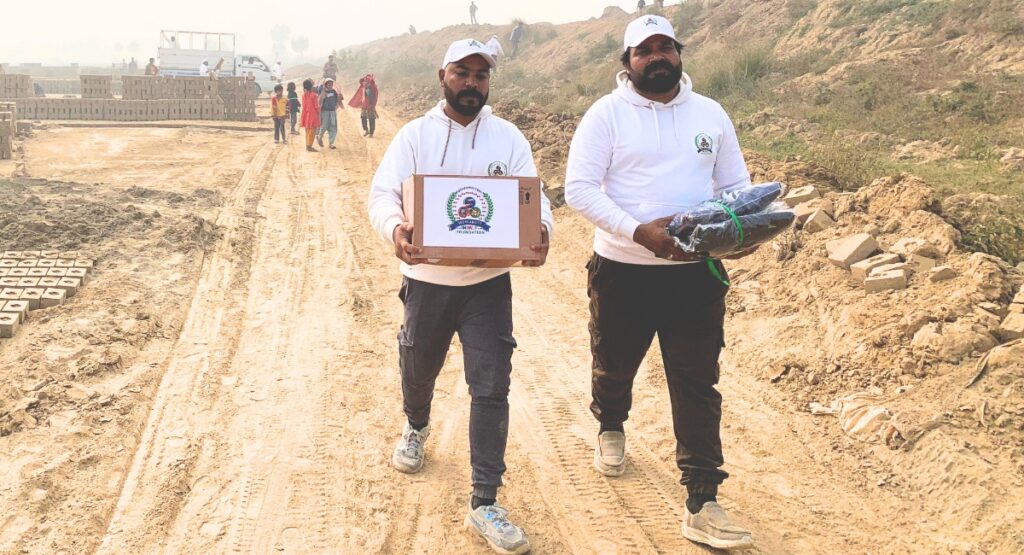
When heavy monsoon rains arrive in Pakistan, they can bring relief to farmers and water resources. But when rainfall becomes extreme, rivers rise, drainage systems overflow, and flash floods strike vulnerable communities, the same rain can become a life-threatening emergency.
For families already living in poverty, a flood is far more than water entering a home. It can mean losing food, shelter, income, livestock, household belongings, access to healthcare, clean drinking water, and children’s education, sometimes all at once.
Pakistan’s 2026 monsoon season has continued to create flood and rain-related risks across different parts of the country. The National Disaster Management Authority (NDMA) has issued repeated warnings about urban flooding, flash floods, hill torrents, and rising water levels in several regions. (National Disaster Management Authority)
For vulnerable families, urgent humanitarian support can make the difference between surviving a crisis and falling deeper into poverty.
The Human Cost Behind Every Flood
Flood statistics help us understand the scale of a disaster, but they cannot fully explain what a family experiences when floodwater enters its home.
Imagine a family that has spent years building a simple house.
A mother keeps food for the coming days.
A father depends on daily wages to feed his children.
Children have schoolbooks and clothes.
Perhaps the family owns a few animals or a small amount of farming equipment.
Then heavy rainfall comes.
Water rises.
The family has little time to react.
Within hours, possessions can be damaged or destroyed.
The family may leave with only what they can carry.
For a wealthy household, replacing damaged belongings may be difficult.
For a poor family, it can be impossible.
Why Poor Families Are More Vulnerable
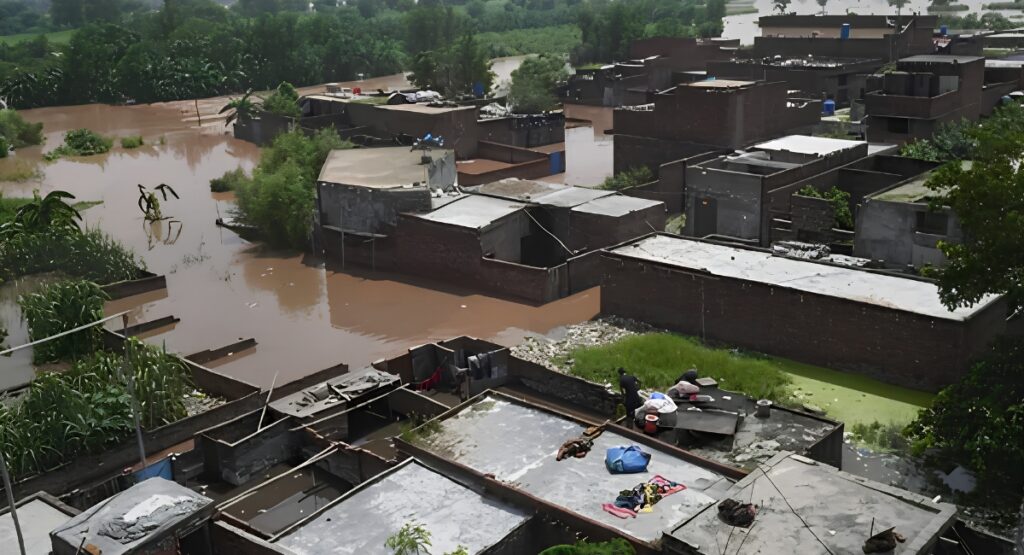
Poverty increases the impact of natural disasters.
Low-income families often live in areas where housing, drainage, and infrastructure may be less resilient. They may also have fewer financial resources to prepare for an emergency or recover afterward.
Before a flood, a poor household may already be struggling with:
- Food expenses
- School costs
- Healthcare
- Rent or housing needs
- Transportation
- Daily wages
- Debt
- Household essentials
After a flood, those same challenges become even more difficult.
A family may lose its income at exactly the moment when expenses increase.
This is why disaster response and poverty reduction are closely connected.
Floods Can Destroy More Than Homes
When people think about floods, they often think about damaged houses.
But the damage can go much further.
Flooding can affect:
Food
Families may lose stored food, crops, livestock, or access to local markets.
Income
Daily wage workers may be unable to reach work. Farmers can lose crops and livestock. Small businesses may lose equipment, stock, or customers.
Education
Schools may close, become inaccessible, or be used for emergency purposes. Children can miss classes for extended periods.
Healthcare
Road closures, damaged facilities, and lack of transportation can make it difficult for vulnerable people to receive medical care.
Clean Water
Flooding can contaminate water sources and create serious sanitation challenges.
Household Assets
Beds, clothing, cooking equipment, documents, and other essential belongings can be damaged or washed away.
For a family already living on very little, the loss of even one essential item can create a major setback.
Children Are Among the Most Vulnerable
Children need special attention during humanitarian emergencies.
When a family loses its income, children may be forced to leave school because parents can no longer afford transportation, supplies, or other education-related costs.
In extremely vulnerable communities, economic pressure can also increase the risk of child labor.
A temporary emergency can therefore create a long-term consequence:
Flood → Loss of income → Increased poverty → Interrupted education → Greater vulnerability
Emergency assistance should protect children not only from hunger and unsafe conditions, but also from losing their opportunity to learn and build a better future.
The Risk to Women’s Health and Dignity
Women and girls can face additional challenges during emergencies.
Displacement and overcrowded temporary shelters can make privacy, sanitation, and personal hygiene difficult.
Pregnant women may also face challenges reaching healthcare facilities when roads are damaged, or transportation becomes unavailable.
For women with young children, an emergency can create additional responsibilities at a time when resources are already limited.
Humanitarian response should therefore consider the needs of women and girls and assist in a way that protects safety, dignity, privacy, and inclusion.
Clean Water Is an Emergency Need
After flooding, safe drinking water becomes one of the most important priorities.
Floodwater can contaminate wells, surface-water sources, and other community water supplies.
Families may have to travel farther to find safe water or depend on temporary supplies.
Clean water is essential for:
- Drinking
- Cooking
- Washing
- Personal hygiene
- Protecting children from preventable illness
- Maintaining dignity
That is why emergency response should include Water, Sanitation and Hygiene (WASH) wherever needs require it.
Food Relief Can Provide Immediate Protection
When families lose access to food, even a short interruption can become serious.
Children need regular nutrition.
Pregnant and breastfeeding women need adequate food.
Older people and vulnerable adults may have additional nutritional needs.
Emergency food assistance can help families survive the immediate crisis while longer-term recovery begins.
But food relief should be more than a one-time response whenever possible.
The ultimate goal should be to help families regain the ability to provide for themselves.
From Relief to Recovery
A successful humanitarian response should not end when floodwater disappears.
For many families, the hardest period may begin afterward.
They may still have:
- A damaged home
- No income
- Lost livestock
- Damaged crops
- School interruptions
- Medical expenses
- Debt
- Limited access to clean water
This is why humanitarian action should connect emergency relief with early recovery and resilience.
The pathway can look like:
Emergency Food → Safe Water → Health Support → Education → Livelihood Recovery → Resilience
Each stage helps families move one step closer to stability.
Why Local Communities Need Local Support
During a major disaster, government agencies, United Nations agencies, international NGOs, local organizations, volunteers, and community leaders all have important roles.
Local organizations can provide an additional layer of support because they often understand the communities they serve.
They may know:
- Which families are most vulnerable
- Which villages need urgent assistance
- Where food and water are difficult to access
- Which children are at risk of dropping out of school
- Which communities need longer-term support
Community-based humanitarian work can therefore help connect assistance with people who may otherwise be overlooked.
Moses Welfare Foundation’s Response
Moses Welfare Foundation is committed to supporting vulnerable communities in Pakistan through humanitarian assistance and community development.
Our work focuses on helping people facing poverty, social vulnerability, and humanitarian challenges.
Our broader areas of work include:
- Food assistance
- Education
- Child protection
- Clean water
- Healthcare support
- Women and community empowerment
- Emergency humanitarian assistance
- Community development
During emergencies, our priority is to reach vulnerable families with practical support while protecting their dignity.
We believe that humanitarian assistance should not only provide immediate relief. It should also help families move toward recovery and greater resilience.
Our Humanitarian Approach
At Moses Welfare Foundation, we believe that every family deserves to be treated with dignity.
Our humanitarian approach is built around four principles:
1. Reach the Most Vulnerable
Priority should be given to families facing the greatest barriers and risks.
2. Respond With Dignity
People affected by disasters should receive assistance respectfully and without discrimination.
3. Connect Relief with Recovery
Emergency assistance should support longer-term recovery wherever possible.
4. Work With Communities
Local people should be part of identifying needs and developing solutions.
What Emergency Support Can Provide
Depending on available resources, needs, and partnerships, humanitarian assistance can help provide:
Food Packages
Essential food supplies for vulnerable households.
Clean Drinking Water
Safe water support for communities affected by flooding or water contamination.
Hygiene Supplies
Essential items that help families maintain health and dignity.
Healthcare Assistance
Support for vulnerable people who may have difficulty accessing essential health services.
Children’s Support
Assistance that helps protect children and reduce disruption to education.
Household Essentials
Basic items needed by families who have lost belongings during an emergency.
Recovery Support
Longer-term assistance designed to help families rebuild their lives.
Why Your Support Matters
When disaster strikes, timing matters.
A family that has lost its food may need help today.
A child who has no safe drinking water may need help today.
A pregnant woman who cannot reach healthcare may need support today.
A family whose home has been damaged may need emergency shelter and essential supplies before tomorrow.
Your support can help turn compassion into practical assistance.
A donation may help provide:
A meal for a hungry family.
Clean water for a vulnerable community.
Essential supplies for a household in crisis.
Support for a child whose education has been disrupted.
Hope for a family trying to rebuild.
You Can Be Part of the Response
Humanitarian action is not only the responsibility of large organizations.
Individuals, churches, businesses, foundations, community groups, and international partners can all contribute.
You can help by:
Donate
Provide financial support for emergency relief and recovery activities.
Partner
Organizations and institutions can partner with Moses Welfare Foundation to support communities affected by disasters.
Share
Sharing reliable information can help raise awareness and connect vulnerable communities with potential supporters.
Volunteer
Where appropriate and safely possible, volunteers can contribute skills, time, and community support.
A Disaster Should Not Become a Life Sentence of Poverty
A flood may take away a family’s possessions in a single day.
But poverty can take much longer to overcome.
That is why our response must look beyond the immediate emergency.
We must help families find food today while creating opportunities for recovery tomorrow.
We must protect children today while keeping their education alive for the future.
We must provide clean water today while supporting sustainable water solutions for communities.
We must respond to suffering today while building resilience for tomorrow.
Hope Begins with Action
The families affected by flooding are not simply statistics.
They are parents trying to protect their children.
They are children hoping to return to school.
They are farmers trying to recover their livelihoods.
They are workers trying to find another day’s income.
They are communities trying to rebuild their homes and their lives.
They need more than sympathy.
They need action.
Moses Welfare Foundation believes that when people come together, emergency assistance can become a bridge from crisis to recovery.
Conclusion
Pakistan’s monsoon floods are a powerful reminder of how quickly vulnerable families can lose the things they depend on for survival.
Flooding can damage homes, disrupt education, destroy livelihoods, affect food security, contaminate water sources, and make healthcare difficult to access.
But with timely assistance, responsible partnerships, and community-centered recovery, families can begin to rebuild.
A flood can take away a home. It should not take away a child’s future.
A disaster can destroy a livelihood. It should not destroy a family’s hope.
Together, we can help vulnerable families survive emergencies, recover with dignity, and build a more secure future.
Stand With Families in Crisis
Your support can help Moses Welfare Foundation provide practical humanitarian assistance to vulnerable communities in Pakistan.
Donate. Partner. Share. Help Rebuild Hope.