By Moses Welfare Foundation
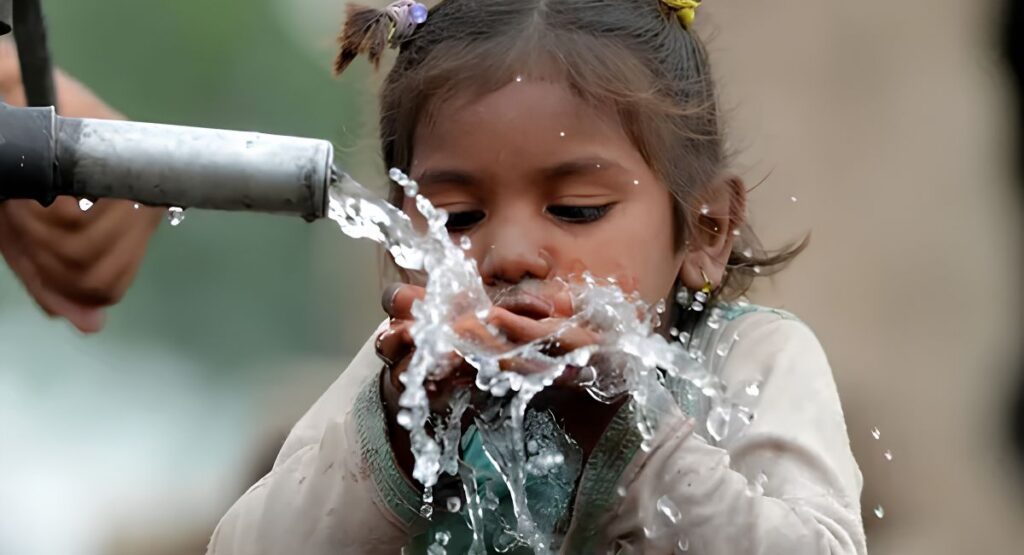
Water is one of the most basic needs of human life.
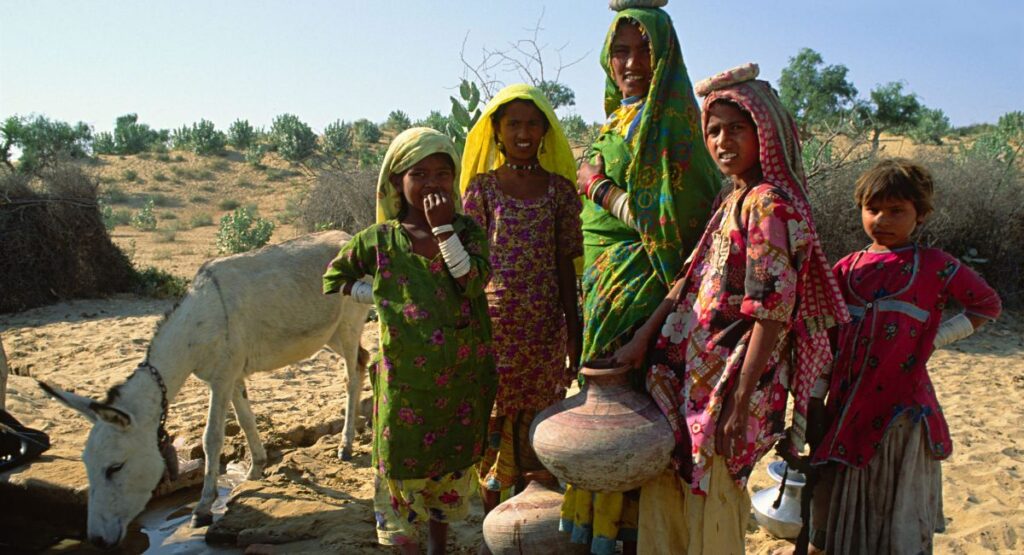
We need it to drink, cook, wash, grow food, attend school, work, and stay healthy. Yet for many vulnerable families in Pakistan, access to safe and reliable drinking water remains a daily challenge.
For a family living in poverty, finding water may mean walking long distances, depending on an unreliable source, or using water that may not be safe.
The problem becomes even more serious in communities affected by poverty, drought, floods, poor infrastructure, and climate-related pressures.
According to UNICEF data, 91% of Pakistan’s population uses at least basic drinking-water services, while only 45% uses safely managed drinking-water services. (UNICEF DATA)
UNICEF Pakistan also reports that an estimated 70% of households still drink bacterially contaminated water, highlighting that access to a water source does not necessarily mean that the water is safe. (UNICEF)
This is an important distinction:
Water availability is not enough. People need safe water.
At Moses Welfare Foundation, we believe that access to clean water is not simply a development issue. It is about health, dignity, education, livelihoods, and human wellbeing.
Why Clean Water Matters
For many of us, clean water is something we expect to have whenever we turn on a tap.
For vulnerable families, it can be very different.
A family may have to:
- Walk a long distance to collect water
- Depend on a community water source
- Purchase water when household income is already limited
- Use unsafe water because no alternative is available
- Spend significant time collecting water
- Store water for long periods
When safe water is difficult to access, the consequences can affect almost every part of family life.
Water affects health.
Water affects education.
Water affects household income.
Water affects dignity.
Safe Water Is Different from Simply Having Water
It is important to understand what “safe drinking water” means.
UNICEF defines safely managed drinking water as water from an improved source that is accessible on premises, available when needed, and free from faecal and priority chemical contamination. (UNICEF DATA)
This means a family may technically have access to a water source but still face serious challenges if:
- The source is contaminated
- Water is not available when needed
- The source is too far away
- Water quality is unreliable
- The household cannot afford treatment
- Water must be stored for long periods
Therefore, sustainable water projects must consider both access and quality.
The Health Connection
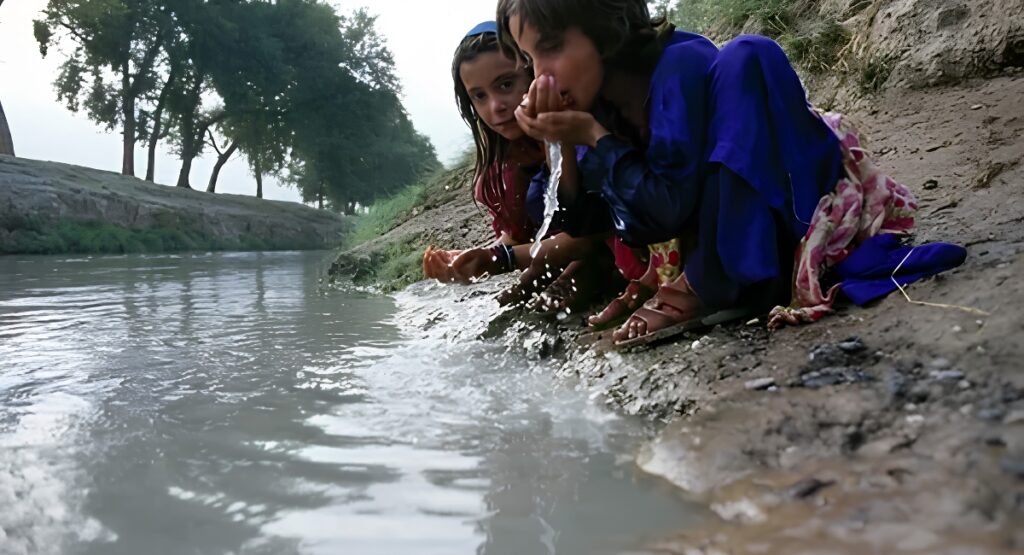
Unsafe water can expose families to serious health risks.
Children are particularly vulnerable because their bodies are still developing.
Contaminated water can contribute to the spread of waterborne diseases and can make it more difficult for communities to maintain good hygiene.
Clean water is essential for:
- Drinking
- Cooking
- Handwashing
- Bathing
- Cleaning
- Food preparation
- Personal hygiene
Safe water should therefore be considered an essential part of community health.
Children Pay a Heavy Price
Children are often among the people most affected when a community lacks safe water.
When water is difficult to access, children may sometimes become involved in collecting it.
Time that could be spent studying, playing, or resting can instead be spent searching for water.
Water insecurity can also affect children’s health and school attendance.
UNICEF emphasizes that safe water, sanitation and hygiene are important for children to live in safe and healthy environments. (UNICEF)
A child should be able to spend the morning preparing for school—not worrying about where the family’s next container of water will come from.
The Burden on Women and Girls
In many communities, women and girls carry a significant responsibility for collecting and managing household water.
When the nearest safe water source is far away, this can consume valuable time and energy.
For girls, water collection can also interfere with education.
For women, it can reduce the time available for:
- Childcare
- Household activities
- Income-generating work
- Education and skills development
- Community participation
Bringing safe water closer to communities can therefore provide benefits far beyond drinking water.
It can give people back their time.
Clean Water and Education
Water and education may seem like two separate issues.
They are not.
A child who is frequently sick may struggle to attend school.
A child who spends significant time collecting water may have less time to study.
A school without safe water and sanitation may become a difficult environment for students and teachers.
Girls can face additional challenges when schools lack adequate sanitation and menstrual-hygiene facilities.
UNICEF Pakistan notes that sustainable access to water, sanitation, and hygiene in schools and healthcare centres remains a challenge, particularly for girls. (UNICEF)
This is why water projects can also become education-support projects.
Water and Poverty
Poor families are often affected disproportionately by water insecurity.
When water is unavailable nearby, families may have to spend money or time obtaining it.
That creates an additional burden for households that already struggle to afford basic needs.
Imagine a family living on a limited daily income.
They need money for:
- Food
- Rent
- Electricity
- Healthcare
- Children’s education
- Transportation
Now add the cost of obtaining safe drinking water.
For a wealthy household, the additional cost may be manageable.
For a poor household, it can mean sacrificing something else.
Tharparkar: Where Water Can Mean Hope
Tharparkar in Sindh is one of the areas where water insecurity has long been an important development and humanitarian concern.
The district’s geography, drought exposure, poverty, and limited infrastructure can make access to essential services particularly challenging for vulnerable communities.
UNICEF has documented water, sanitation, food security, and livelihood challenges in Tharparkar and has supported WASH-related programming in the district. (UNICEF)
For communities living in difficult and remote environments, a reliable water source can transform daily life.
A community water point can mean:
Less time walking for water.
More time for school.
Better hygiene.
Improved household wellbeing.
Greater dignity.
More resilient communities.
A Water Pump Is More Than a Water Pump
When we talk about installing a community water pump, it may sound like a simple infrastructure project.
But behind that pump can be a much bigger story.
A water pump can mean that a mother no longer has to travel as far to collect water.
It can mean children have more time to study.
It can mean families have a more reliable source for cooking and drinking.
It can mean a community becomes less dependent on unsafe water sources.
It can become a foundation for better health and stronger community development.
Infrastructure becomes impactful when it improves people’s lives.
Water in Times of Drought
Climate variability and drought can place additional pressure on communities that already have limited water resources.
When rainfall is insufficient and groundwater or other sources become harder to access, vulnerable families can face increasing difficulties.
UNICEF identifies climate change and environmental pressures as factors contributing to challenges in improving access to safe water and sanitation in Pakistan. (UNICEF)
This makes sustainable water planning increasingly important.
Emergency water delivery can save lives during a crisis.
But long-term solutions can help communities become more resilient.
Water in Times of Floods
Floods create a different but equally serious water challenge.
A community may have water everywhere but still have no safe drinking water.
Flooding can damage wells, pipes, and water infrastructure.
It can also contaminate water sources.
UNICEF’s flood response in Pakistan has included providing safe drinking water through water trucking, filtration systems, water treatment, and other WASH interventions. (UNICEF)
This demonstrates an important principle:
A water crisis does not always mean a lack of water. Sometimes it means a lack of safe water.
Emergency Water Relief and Long-Term Solutions
Humanitarian response may require immediate solutions such as:
- Water trucking
- Water purification
- Water treatment supplies
- Safe water storage
- Hygiene kits
- Temporary water points
But communities also need sustainable solutions.
These can include:
- Community water pumps
- Boreholes where technically and environmentally appropriate
- Water filtration systems
- Solar-powered water systems
- Rehabilitation of damaged water infrastructure
- Community-managed water points
- Water-quality monitoring
- Hygiene education
The right solution depends on local conditions.
Sustainability Matters
Installing a water system is only the beginning.
A successful project also needs a plan for:
Maintenance
Repairs
Water quality
Community ownership
Financial sustainability
Local management
A useful example comes from a 2026 UNICEF-supported water project in rural Balochistan, where a trained local operator manages the water supply and a community WASH committee helps oversee maintenance and finances. (UNICEF)
This illustrates an important lesson:
Sustainable water projects are built with communities, not simply delivered to communities.
The Role of Community Ownership
When local people participate in managing a water system, they have a greater opportunity to take responsibility for its long-term sustainability.
Community involvement can include:
- Selecting local priorities
- Managing water points
- Reporting technical problems
- Supporting maintenance
- Promoting hygiene
- Monitoring access
- Protecting infrastructure
Community ownership helps transform a project from a temporary intervention into a local resource.
Moses Welfare Foundation’s Clean Water Mission
Moses Welfare Foundation is committed to supporting vulnerable communities in Pakistan through humanitarian assistance and community development.
Clean water is an important part of this commitment.
Our water-related work seeks to address the needs of communities that face barriers to reliable and safe water access.
Our approach can include support for:
- Community water pumps
- Safe drinking-water access
- Water infrastructure
- Hygiene awareness
- Vulnerable families
- Drought-affected communities
- Emergency humanitarian response
Our goal is not simply to provide water.
Our goal is to help communities build healthier and more dignified lives.
Bringing Clean Water to Vulnerable Communities
In communities where safe water is difficult to access, a water project can create immediate and long-term benefits.
A community water point can help:
Families
Access water closer to home.
Children
Spend more time learning instead of collecting water.
Women
Reduce the daily burden of water collection.
Schools
Improve the environment for students and teachers.
Communities
Build stronger systems for managing essential resources.
Future Generations
Create healthier and more resilient communities.
One Water Project Can Touch Many Lives
The impact of clean water is often multiplied.
One water point may serve many households.
One improved water source can benefit children, parents, and older people.
One community project can reduce the time families spend searching for water.
One sustainable system can continue serving people for years when properly maintained.
That is why clean-water projects should not be viewed simply as construction projects.
They are human development projects.
Clean Water and Human Dignity
Water is connected to dignity.
No family should have to choose between unsafe water and going without water.
No child should have to sacrifice education because their household lacks access to a nearby water source.
No mother should have to worry every day about whether the family’s drinking water is safe.
Access to clean water allows families to live with greater security and dignity.
How You Can Help
You can become part of the solution.
Your support can help vulnerable communities access safer and more reliable water.
Depending on project needs, technical assessments, and available resources, support may contribute toward:
Community Water Pumps
Helping communities access water closer to where people live.
Water Filtration
Supporting systems that improve water quality where appropriate.
Emergency Water Relief
Providing safe water during floods, droughts, and other emergencies.
Hygiene Education
Helping families understand safe water handling and hygiene practices.
Water Infrastructure
Supporting sustainable systems designed for long-term community use.
Community Management
Helping communities participate in maintaining their water resources.
A Drop of Water Can Become a Drop of Hope
Bring Hope Through Clean Water in Tharparkar SindhFor someone who has always had water available, a water pump may seem ordinary.
For a family that has spent years searching for water, it can feel extraordinary.
A child can go to school.
A mother can save hours each day.
A family can cook with greater confidence.
A community can become healthier.
And a simple source of water can become a symbol of hope.
One drop may seem small.
But together, drops can change lives.
Building a Future with Clean Water
The future of vulnerable communities depends on more than emergency assistance.
Communities need sustainable access to essential services.
They need:
Clean Water
Healthcare
Education
Food Security
Livelihood Opportunities
Community Resilience
Water is connected to all of these.
Without water, development becomes harder.
With reliable and safe water, communities have a stronger foundation from which to build.
Conclusion
Clean water is one of life’s most necessities, yet safe and sustainable access remains a challenge for many vulnerable communities in Pakistan.
UNICEF data shows that while 91% of Pakistan’s population uses at least basic drinking-water services, only 45% uses safely managed drinking-water services. UNICEF Pakistan also reports that an estimated 70% of households still drink bacterially contaminated water. (UNICEF DATA)
These figures remind us that the challenge is not simply about finding water.
It is about finding safe, reliable, and sustainable water.
For vulnerable families, clean water can mean better health.
For children, it can mean more time for education.
For women, it can mean less time spent collecting water.
For communities, it can mean greater resilience and dignity.
At Moses Welfare Foundation, we believe that access to clean water is an investment in people and in the future of their communities.
A water pump can provide more than water.
It can provide time.
It can provide health.
It can provide dignity.
It can provide hope.
Stand With Communities in Need
Your support can help Moses Welfare Foundation expand clean-water and humanitarian initiatives for vulnerable communities in Pakistan.
Give Water. Give Hope. Change Lives.Donate. Partner. Share. Help Bring Clean Water to Those Who Need It Most.