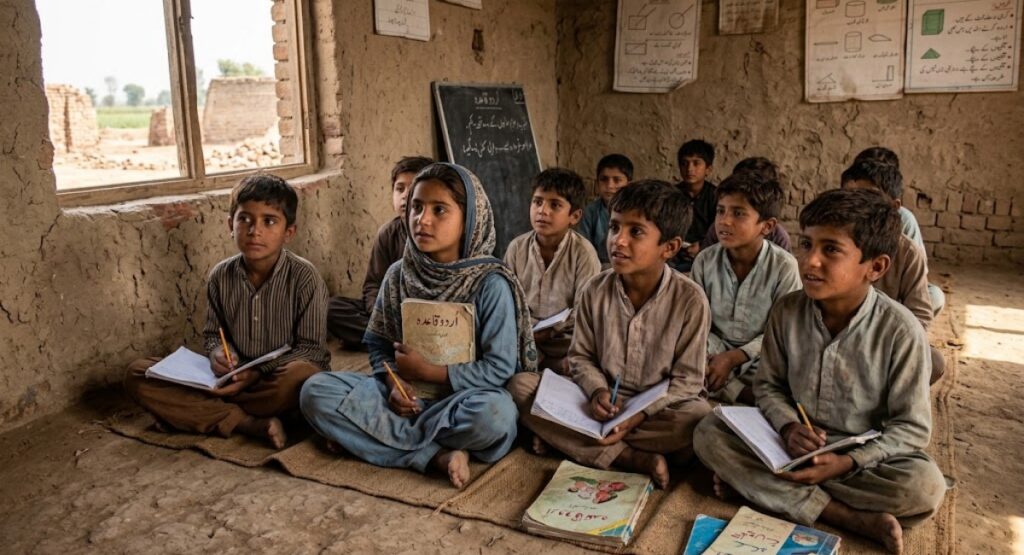
Every child deserves a safe childhood, a quality education, and the freedom to dream about a better future.
Yet for children growing up in vulnerable brick-kiln communities in Pakistan, poverty can make that future extremely difficult to reach.
Brick making is physically demanding work. In some communities, entire families live and work around kilns, and children can face pressure to contribute to household income or assist their parents.
The issue is not simply about work.
It is about poverty, education, child protection, family vulnerability, debt and opportunity.
The International Labour Organization has specifically studied Pakistan’s brick-kiln supply chain because of concerns relating to child labour and bonded labour. Its research identifies challenges involving enforcement, labour inspection, workers’ rights, and the protection of vulnerable families.
For children growing up in these circumstances, education can become the pathway toward a different future.
At Moses Welfare Foundation, we believe that no child’s future should be determined by the poverty into which they were born.
The Reality for Children Living Near Brick Kilns
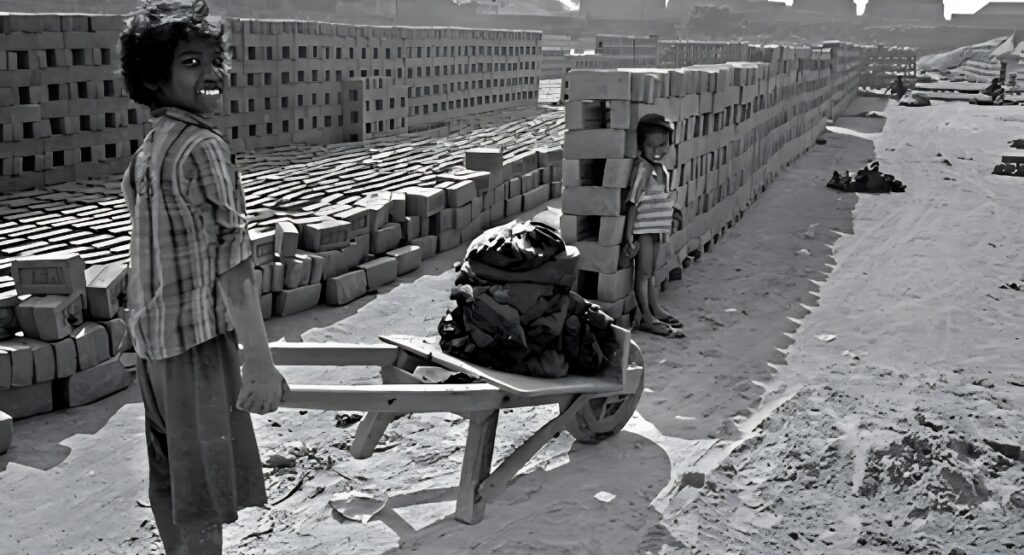
A brick kiln is more than a workplace.
For many workers, the kiln is also connected to where their families live, earn income, and raise their children.
This can create an environment in which the boundaries between family life, work and childhood become blurred.
Children may grow up surrounded by:
- Brick-making activities
- Heavy physical work
- Dust and smoke
- Long working hours among adults
- Economic hardship
- Limited educational opportunities
- Poor housing conditions
- Financial insecurity
When children are exposed to these conditions from an early age, their ability to attend school regularly and enjoy a normal childhood can be affected.
Child Labour and the Brick-Kiln Sector
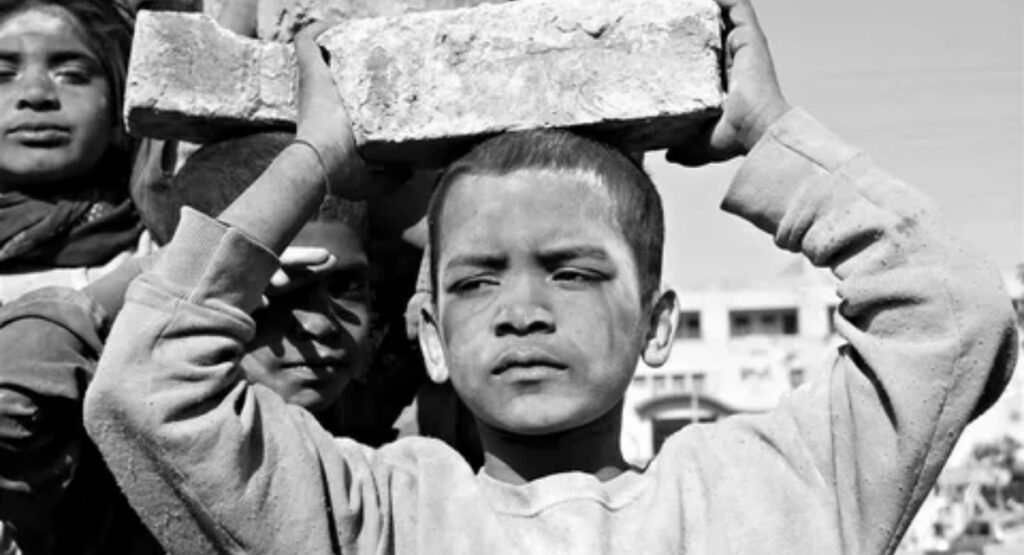
Child labour remains a serious issue in Pakistan.
In June 2026, the United Nations in Pakistan reported ILO figures estimating that 8.6 million children aged 5–17 are engaged in child labour across Pakistan. The UN update specifically identified brick kilns among the sectors in which child labour continues to occur.
This national figure does not mean that all 8.6 million children work in brick kilns. Rather, it demonstrates the broader scale of child labour in Pakistan, within which brick kilns are one of the identified sectors.
UNICEF’s national child-labour survey work brings together evidence from Punjab, Sindh, Khyber Pakhtunkhwa, Balochistan and Islamabad Capital Territory to provide a broader picture of children’s working conditions, causes and impacts on education and wellbeing.
These numbers represent children, not statistics alone.
They represent children who should have opportunities to learn, play, develop their abilities and build their futures.
Why Poverty Pushes Children Toward Work
Child labour rarely has one single cause.
For families living in extreme poverty, several pressures can exist simultaneously.
Low and Unstable Household Income
When parents depend on daily or informal work, income can fluctuate.
A family may struggle to pay for:
- Food
- Housing
- Healthcare
- Clothing
- School supplies
- Transportation
- Unexpected expenses
When money is not enough, children may be expected to help.
Limited Educational Access
If a school is far away, educational expenses are difficult to manage, or the family lacks support, children may gradually become disconnected from education.
Family Debt
Debt can increase economic pressure.
ILO research on Pakistan’s brick-kiln sector has specifically examined the relationship between work, debt, and bonded labour.
Lack of Decent Employment Opportunities
When adults cannot find stable and adequately paid work, families can remain trapped in poverty.
Social Vulnerability
Families facing multiple disadvantages can have fewer opportunities to escape difficult working conditions.
This is why child labour cannot be solved simply by telling children not to work.
Families need alternatives.
The Connection Between Bonded Labour and Child Vulnerability
Bonded labour is particularly important when discussing vulnerable brick-kiln communities.
ILO research has documented concerns regarding bonded labour in Pakistan’s brick-kiln sector and has examined how debt relationships can contribute to situations where workers have limited freedom and bargaining power.
When a family is economically tied to a workplace through debt or other forms of dependency, children can become vulnerable as well.
A family’s financial situation can affect children’s:
- Education
- Freedom
- Safety
- Health
- Future opportunities
This means that protecting children requires attention not only to the child, but also to the economic conditions surrounding the family.
When a Child’s Workplace Becomes Their Childhood
Imagine a child waking up each morning surrounded by the same environment where their parents work.
Instead of preparing for school, the child may be expected to help the family.
Instead of carrying books, the child may carry work responsibilities.
Instead of spending time learning, the child may spend time around demanding physical labour.
Over time, something important can disappear:
The opportunity to be a child.
Children need time to learn.
They need time to play.
They need relationships with teachers and friends.
They need opportunities to discover their abilities.
They need hope.
Education Can Break the Cycle
Education is one of the strongest tools available for breaking cycles of poverty.
A child who receives an education can develop skills that may create opportunities for decent employment later in life.
Education can provide:
- Literacy
- Numeracy
- Communication
- Critical thinking
- Confidence
- Social development
- Awareness of rights
- Vocational and professional opportunities
Most importantly, education gives children choices.
Without education, poverty can become a cycle.
With education and appropriate family support, that cycle can begin to change.
The Cycle of Poverty
The cycle can look like this:
Poverty
↓
Family Financial Pressure
↓
Child Enters Work
↓
School Attendance Declines
↓
Education Is Interrupted
↓
Limited Future Employment Opportunities
↓
Continued Poverty
Our goal should be to break this cycle.
And one of the most important points of intervention is education.
Why Children Leave School
Children from vulnerable brick-kiln communities may face several barriers to education.
These can include:
School Expenses
Uniforms, books, stationery, and transportation can create financial pressure.
Distance
A school may not be easily accessible from the community.
Family Income
Families may feel that they cannot afford to lose the contribution a child makes to household work or income.
Lack of Educational Support
Children who have fallen behind academically may need additional assistance to catch up.
Mobility and Displacement
Families who move for work may struggle to maintain consistent school attendance.
Social and Economic Pressure
When survival becomes the priority, education can be pushed into the background.
These barriers demonstrate why educational intervention needs to be combined with broader family and community support.
The Health and Safety Concerns
Brick-kiln work can involve physically demanding activities and exposure to difficult working environments.
ILO research on the sector examines working conditions and fundamental principles and rights at work, including concerns related to child labour and bonded labour.
Children are particularly vulnerable because their bodies and minds are still developing.
Exposure to hazardous work can affect:
- Physical wellbeing
- Education
- Development
- Safety
- Emotional wellbeing
- Future opportunities
Children should never have to sacrifice their health and education simply because their families are poor.
The Impact on Girls
Girls living in vulnerable communities can face additional responsibilities.
They may be expected to:
- Help with household tasks
- Care for younger siblings
- Assist parents
- Participate in income-generating activities
- Remain at home instead of attending school
These responsibilities can make education difficult.
Girls need equal opportunities to learn, develop skills, and participate fully in their communities.
Supporting girls’ education can have benefits that extend beyond one child and into the wider family and community.
Children Need More Than a School Building
Providing a classroom is important.
But education is more than a building.
A child also needs:
School supplies.
A safe learning environment.
Supportive teachers.
Family encouragement.
Protection from harmful work.
Food and basic wellbeing.
A realistic opportunity to attend school regularly.
This is why community-based education programs can be particularly important for children living in vulnerable environments.
What Has Been Done to Address the Problem?
Pakistan has introduced legal and policy measures addressing child labour, including specific protections concerning brick kilns.
The ILO’s child-labour legal framework records the Punjab Prohibition of Child Labour at Brick Kilns Act, 2016, alongside other provincial legislation relating to child labour and hazardous work.
The Government of Punjab and ILO have also previously worked together on initiatives to enroll children of brick-kiln workers into education, including provision of school bags and books.
These efforts demonstrate an important principle:
Education must be part of the solution.
But laws and programs need continued implementation, monitoring, resources, and community engagement to achieve lasting change.
What Can Communities Do?
Communities can play a major role in protecting children.
Identify Children Who Are Out of School
Community workers and local organizations can help identify children who are not attending school.
Understand Why They Are Out of School
Every child may have a different reason.
Connect Families with Support
Families can be connected with education, humanitarian, and social-support opportunities where available.
Raise Awareness
Parents and community leaders can help promote the value of education.
Protect Children
Communities can help identify and respond to situations where children face exploitation or hazardous work.
Support Parents
Helping adults access better livelihood opportunities can reduce pressure on children.
Moses Welfare Foundation’s Commitment
Moses Welfare Foundation is committed to supporting vulnerable communities in Pakistan through humanitarian assistance, education, and community development.
Our work is based on a simple belief:
Every child deserves the opportunity to learn, grow, and build a better future.
Our areas of work include:
- Education
- Child protection
- Food assistance
- Healthcare support
- Clean water
- Women and family empowerment
- Humanitarian relief
- Community development
For children living in vulnerable communities, our goal is to help reduce the barriers that keep them away from education and opportunity.
Supporting Children in Brick-Kiln Communities
Moses Welfare Foundation recognizes that children cannot be protected by education alone.
A child may need school supplies.
A family may need food assistance.
A parent may need livelihood support.
A community may need awareness and child-protection services.
That is why our approach connects:
Education + Child Protection + Family Support + Humanitarian Assistance + Community Development
Together, these areas can create a stronger foundation for vulnerable children.
How Your Support Can Help
Your support can help vulnerable children and families access practical assistance.
Depending on project needs and available resources, support can contribute toward:
Education Support
Helping children access learning opportunities.
School Supplies
Providing books, stationery, bags, and other essential learning materials.
Food Assistance
Helping vulnerable families meet basic food needs and reduce economic pressure.
Child Protection
Supporting safer environments and awareness around children’s rights and protection.
Community Outreach
Working with families to identify children who need educational support.
Family Assistance
Connecting vulnerable households with broader humanitarian and livelihood-support opportunities.
One Child Returning to School Can Mean a New Beginning
Imagine a child from a vulnerable brick-kiln community entering school for the first time.
They receive a schoolbag.
They open a book.
They learn to read.
They write their name.
They make friends.
They begin to imagine a different future.
That moment may look small.
But for a child and family, it can represent a completely new direction.
Education creates possibilities.
From Brick Kilns to Classrooms
Our vision is not simply to remove children from harmful work.
Our vision is to help create a realistic pathway toward a better future.
That pathway may include:
Protection
↓
Education
↓
Family Support
↓
Skills Development
↓
Decent Employment Opportunities
↓
A Stronger Future
When children are protected and educated while families receive appropriate support, communities have a better chance of breaking cycles of poverty.
A Future Where Children Can Dream
A child’s future should not be decided by the place where they were born.
A child should not inherit poverty as a permanent destiny.
A child living near a brick kiln can become:
- A teacher
- A healthcare professional
- An engineer
- An entrepreneur
- A skilled worker
- A community leader
- Or anything their abilities and opportunities allow them to become
The first step is giving that child a chance.
A chance to learn.
A chance to grow.
A chance to dream.
Conclusion
The challenges facing children in Pakistan’s brick-kiln communities are connected to wider issues of poverty, education, child labour, debt, family vulnerability and access to decent work.
ILO research has specifically documented child labour and bonded labour concerns within Pakistan’s brick-kiln supply chain.
Recent national evidence also confirms that child labour remains a major challenge across Pakistan, including in brick kilns.
But the situation is not hopeless.
Children can be protected.
Families can be supported.
Education can be strengthened.
Communities can become more resilient.
And partners can help create opportunities that reach beyond poverty.
At Moses Welfare Foundation, we believe that every child deserves more than survival.
Every child deserves education.
Every child deserves protection.
Every child deserves dignity.
Every child deserves a future.
Stand With Brick-Kiln Children
Your support can help Moses Welfare Foundation provide educational and humanitarian assistance to vulnerable children and families in Pakistan.
Protect Childhood. Support Education. Break the Cycle of Poverty.
Donate. Partner. Share. Help a Child Learn.